A massive dust storm, or haboob, swept across the Sahara Desert from western Algeria into Mauritania, Morocco, Western Sahara and the Canary Islands on March 30. The dust stretched for more than 1,000 miles.
As meteorologists observed the dust storm from space via weather satellites, social media users captured the incoming dust storm on camera. One video shows a thick wall of dust and sand moving toward a resident of the town of Tindouf, near the Mauritanian, Western Saharan and Moroccan borders.
How does the dust affect tropical storms in the Atlantic?
While this storm didn't make it too far off the coast, significant amounts of dust can drift westward from Africa across the Atlantic beginning in May. This can inhibit tropical storm formation, or the strengthening of an existing system, because the dusty air has about 50% less moisture than the typical tropical atmosphere.
Strong winds in the dust layer can also substantially increase the vertical wind shear in and around the storm environment, potentially disrupting any storm that forms.
LATEST POSTS
- 1
 Are protests pushing Iran's Islamic regime toward a tipping point?
 - 2COGAT discovers motor oil hidden inside UN's humanitarian aid to Gaza in smuggling attempt
- 3Find the Lively Food Markets of South America
- 4The Benefits of Rehearsing Careful Nurturing
- 5Qatar LNG Ships U-Turn After Attempt to Pass Through Hormuz




- 6 Web-based Staple Help You Can Trust
- U.S. overhauls childhood vaccine schedule, recommends fewer shots
- Happy with Running Shoes for 2024
- The most effective method to Perceive the Early Side effects of Cellular breakdown in the lungs
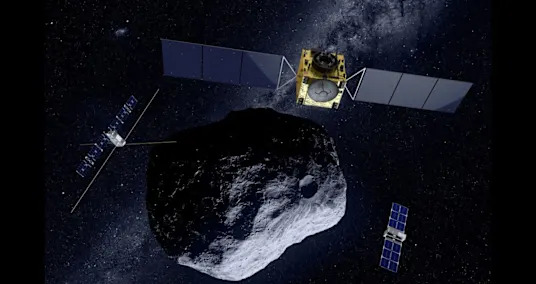
- Like 'accelerating from stationary to supersonic flight': Europe's Hera probe boosts speed, stays on course for November asteroid rendezvous
- Was it a stone tool or just a rock? An archaeologist explains how scientists can tell the difference
- Astounding Treehouses All over the Planet
- Brazil passes anti-gang law allowing seized crypto to fund security forces
- The Way to Business: Startup Illustrations Learned